
History · First peoples
This is Matinecock land.
For thousands of years before Huntington had a name, the Matinecock lived along these harbors and hills. Their history is the first chapter of this place, and it is still being written.
First peoples
Matinecock homeland.
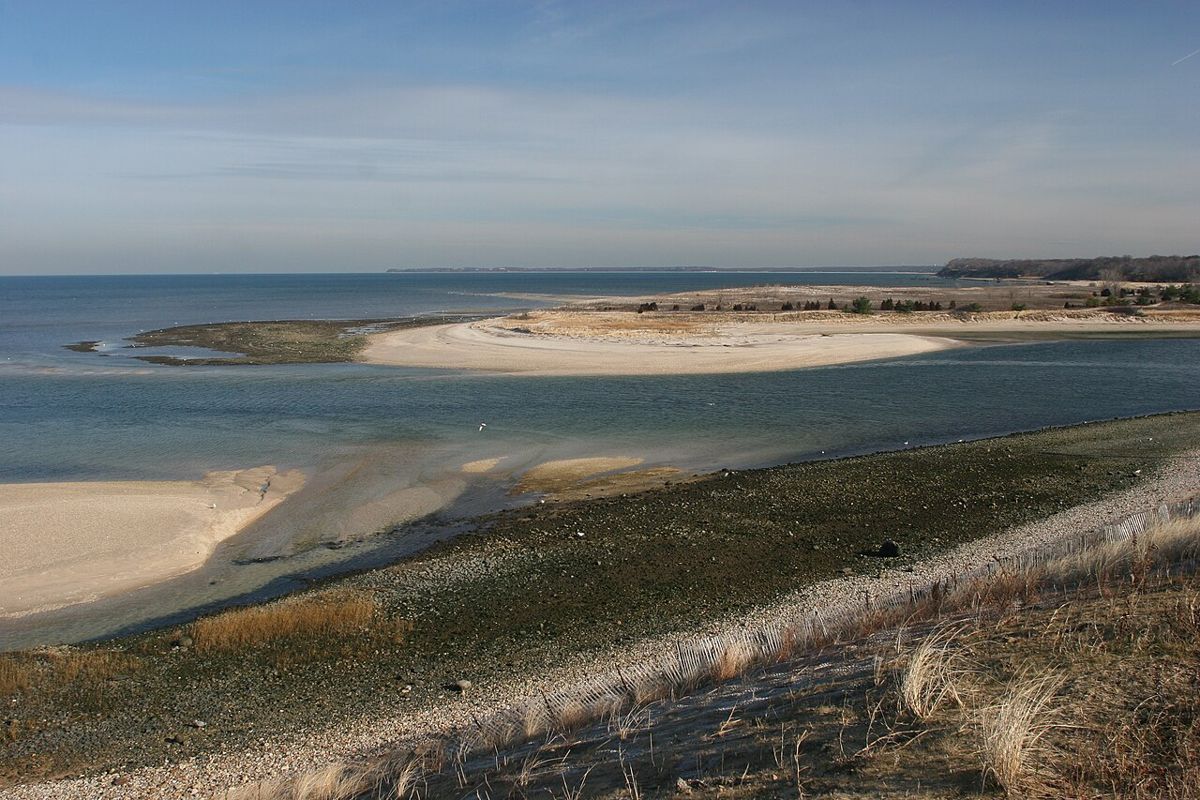


The earliest people known to have lived here were the Matinecock, an Algonquian-speaking people closely related to the Munsee Lenape of the lower Hudson. Their communities lined Huntington's North Shore, at Cold Spring Harbor, Huntington, Centerport, Crab Meadow and Great Cow Harbor (today's Northport), and historian John Strong places them from the Nissequogue River west into what is now Queens.
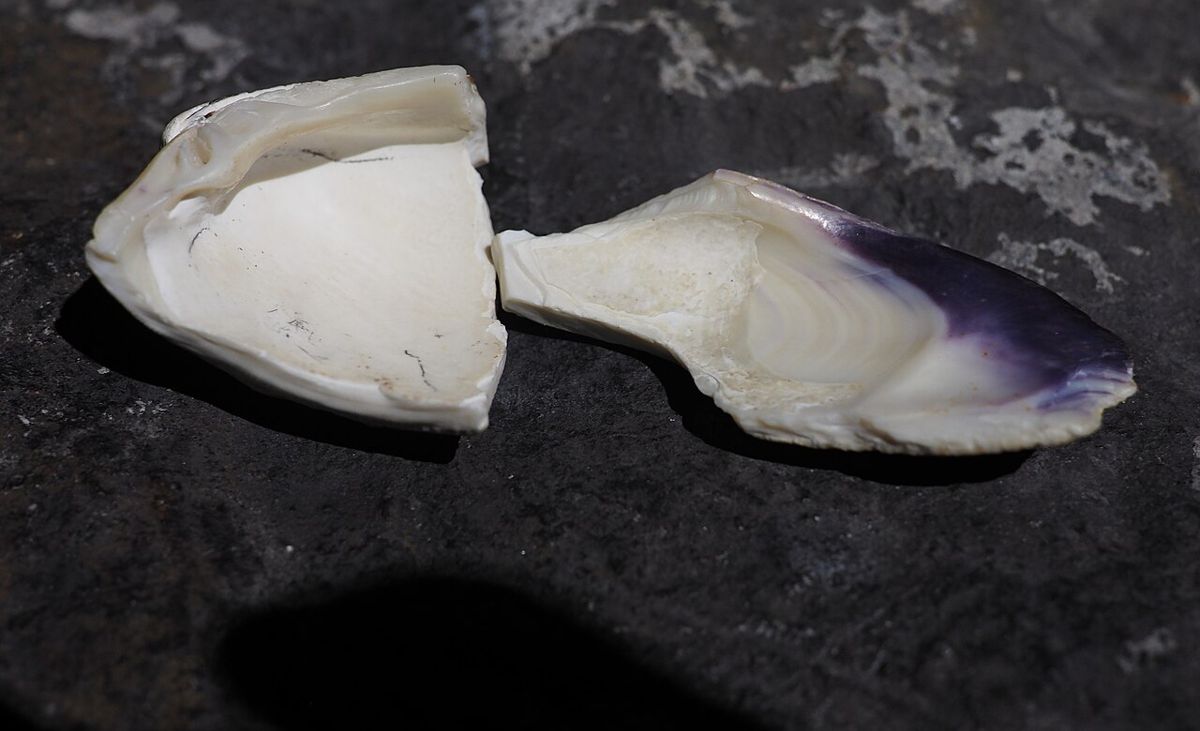
Life followed the seasons: villages near the water, planted fields of corn, and shellfish from the harbors and the Sound. Long Island's quahog and whelk shells were the raw material for wampum, the beads that carried value and meaning across the Northeast.
Crab Meadow, just north of the trails, held a Native settlement on high ground above the Sound. The Town Historian records shell middens up to six feet deep and 75 feet across, along with pottery and stone tools.
How the land changed hands
The "First Purchase"
English settlers sign a deed with the Matinecock sachem Raseokan (also written Asharoken) for land between Cold Spring Harbor and Northport Harbor, running about six miles south from the Sound. The Town of Huntington dates its founding to this deed.
The "Eastern Purchase"
A second deed with Asharoken extends Huntington east toward the Nissequogue River. This is the land where Meadowlark, Knolls and Veterans sit today. A long boundary fight with Smithtown later set the town line at Fresh Pond.
These deeds are often called sales, but historians such as John Strong document disputed payments and very different understandings of what the deeds meant. Within a few generations, disease and the loss of land had pushed most Matinecock families from their homes here.
Still here
In 1931, when Northern Boulevard was widened in Queens, Matinecock graves were moved to the churchyard of Zion Episcopal Church in Douglaston under a stone reading "Here rest the last of the Matinecoc." The stone is wrong. Matinecock descendants still live on Long Island and are organized today as the Matinecock Tribal Nation.
Other Long Island nations carry on as well. The Shinnecock Indian Nation in Southampton won federal recognition in 2010 after a 32-year effort, and the Unkechaug Nation at Poospatuck in Mastic is recognized by New York State.
A note on "13 tribes." Old maps often divide Long Island into thirteen tribes with fixed borders. Historians now consider that a 19th-century invention. Land rights ran through families and alliances that shifted over time.
Learn more
- Matinecock Tribal Nation
- Shinnecock Indian Nation
- John Strong, Long Island History Journal (free to read)
- Northport Historical Society: Resurrecting Asharoken
- Garvies Point Museum & Preserve, Glen Cove
- "Eastern Purchase" historical marker, Route 25A
Sources: Huntington Town Historian · "Crab Meadow, West" · Town of Huntington, First Purchase · Strong, LIHJ · Northport Historical Society · NARF · Zion Episcopal Church